Newsroom
Stay informed on industry developments shaping precision converting, from medical and diagnostic components to electronics and other high-specification applications. Explore insights and trends relevant to the technologies, materials, and applications Advantage Converting supports.
Commercial Translation of Electrochemical Biosensors: Supply Chain Strategy, Scale-Up Manufacturing, and Regulatory–Quality Considerations — Biosensors
February 8, 2026
Examines the challenges of moving electrochemical biosensors from prototypes to commercial medical products, focusing on supply chains, scalable manufacturing, quality systems, and regulatory requirements. Particularly relevant to Advantage are discussions of medical-grade adhesives, barrier films, microfluidic laminates, multilayer alignment, and material consistency.
Advanced Wound Care Market Report 2026
February 1, 2026
The advanced wound care market is growing from $11.61 billion in 2025 to $12.43 billion in 2026 at a 7% CAGR, driven by rising chronic wound prevalence and growing demand for advanced healing solutions. This ties directly to Advantage Converting's wound care converting expertise.
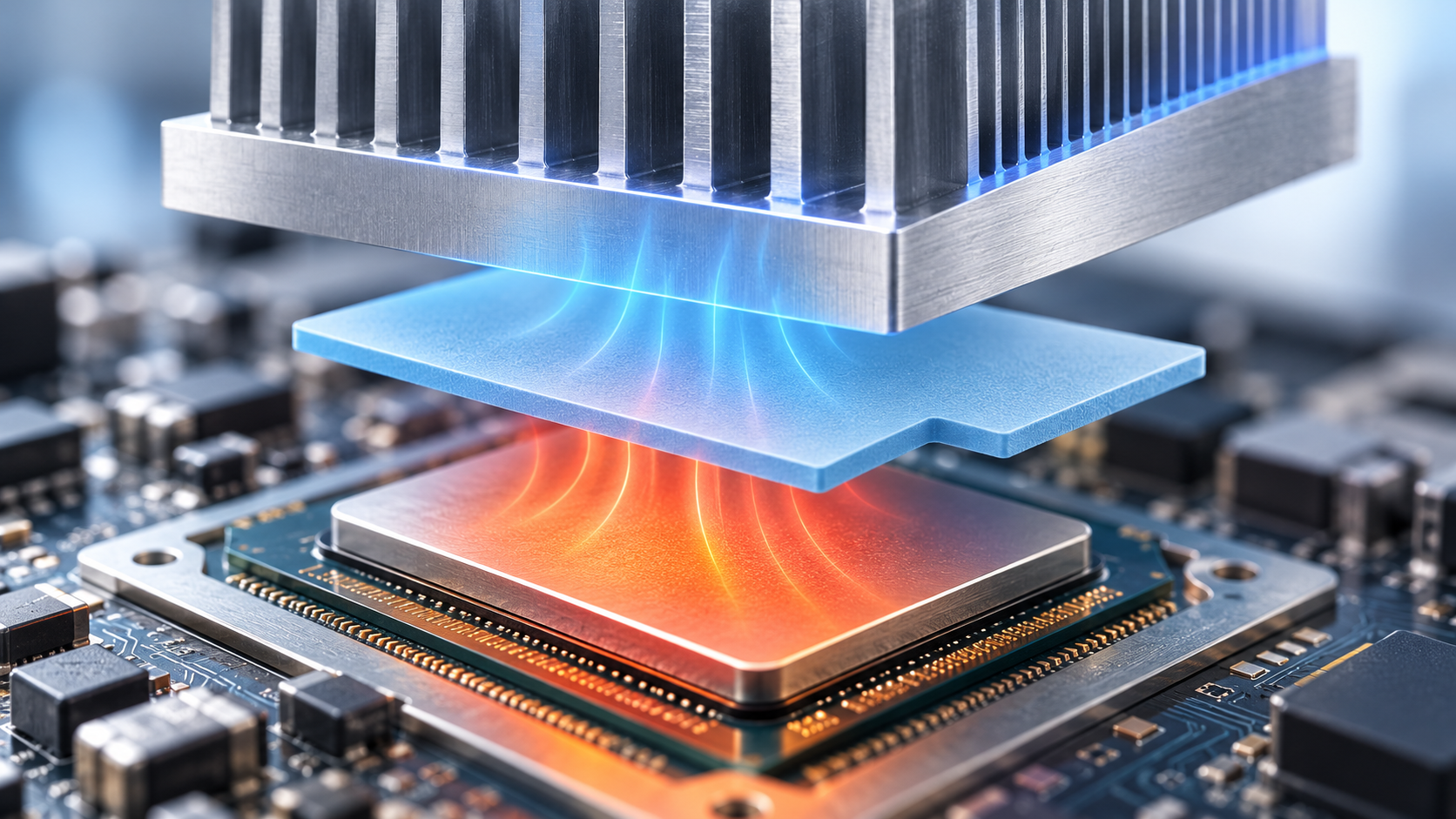
Thermal Interface Materials for Efficient Heat Management in Electronics — Applied Thermal Engineering
February 1, 2026
Reviews thermal interface materials used to improve heat transfer between components in increasingly compact and high-power electronic systems. It covers material types including thermal pads, adhesives, gels, and other interface materials, providing a strong connection to precision-converted thermal-management components and electronics applications.
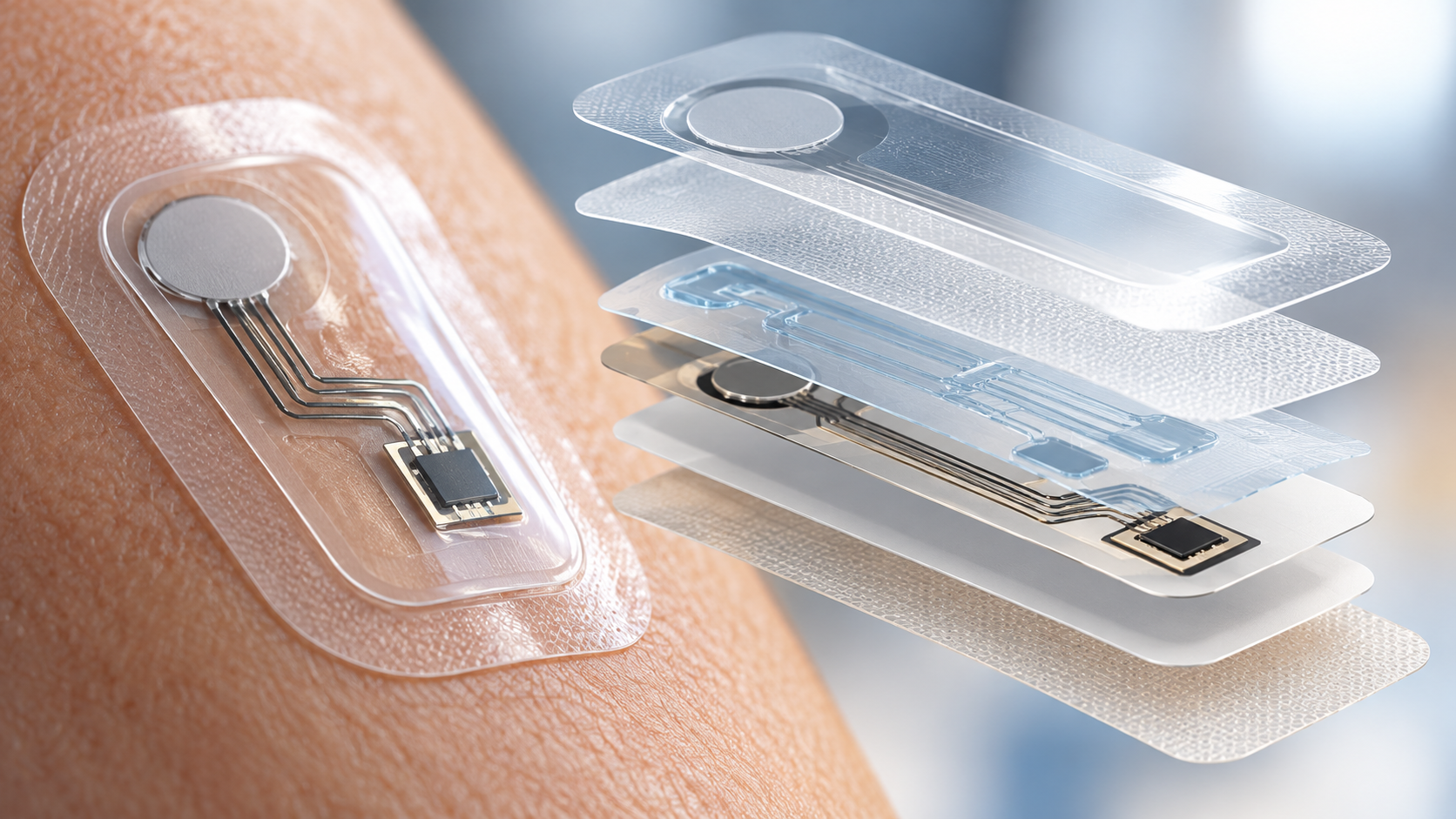
Wearable Medical Devices Market Expands with Increased Adoption of Remote Healthcare
January 20, 2026
The wearable medical devices market is expected to grow from $67.45 billion in 2026 to $523.58 billion by 2035, at a CAGR of 25.57%, driven by rising chronic disease incidence and new non-invasive device developments.
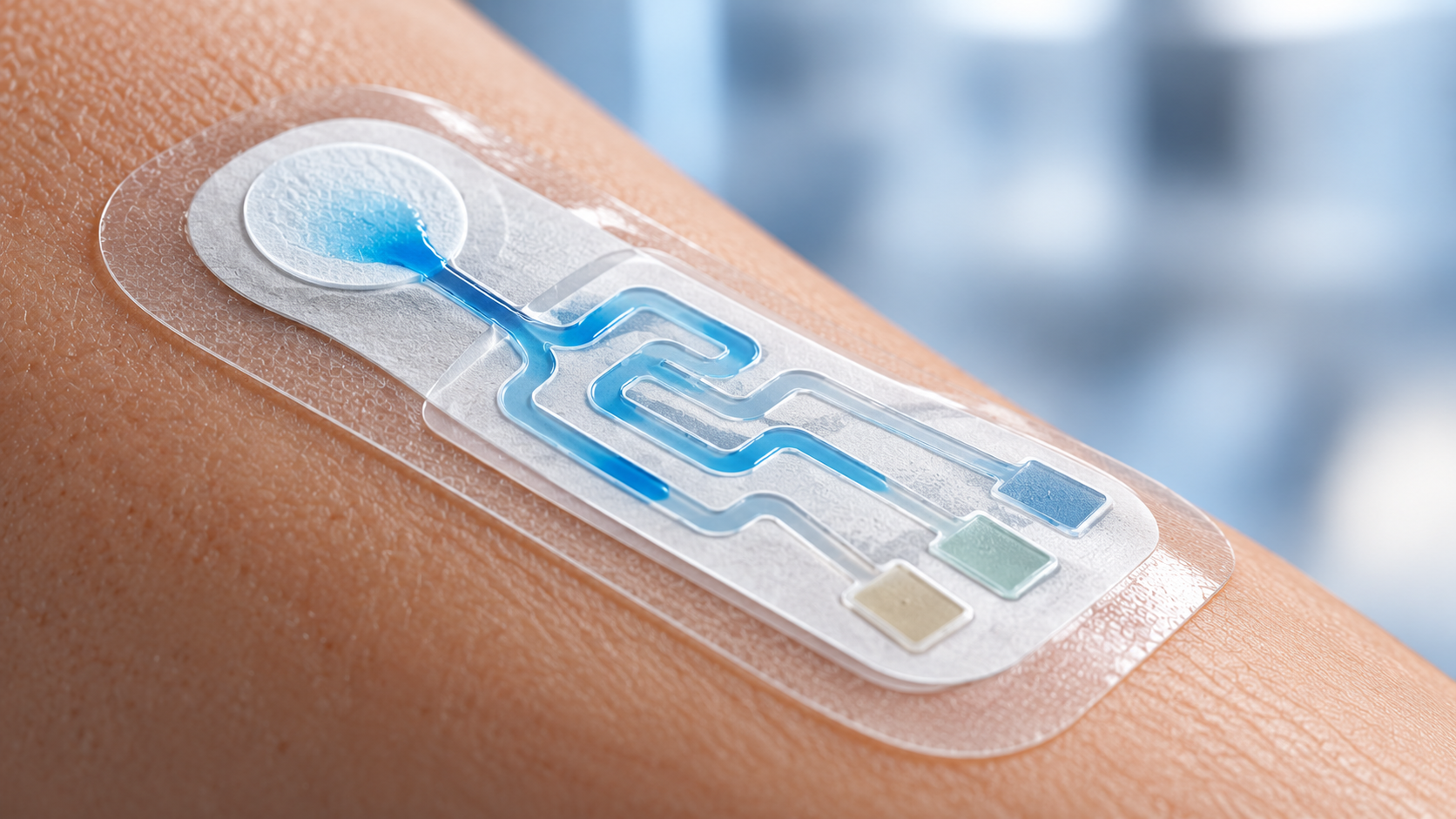
Paper-Based Microfluidics for Wearable Soft Bioelectronics — Lab on a Chip
January 7, 2026
Reviews the use of paper-based microfluidics in wearable and flexible bioelectronic devices, including systems for collecting, transporting, and analyzing biological fluids. The article highlights flexible materials, layered device constructions, microfluidic architectures, and wearable diagnostic applications relevant to precision-converted medical components.